Comparing Christian Courtship Approaches

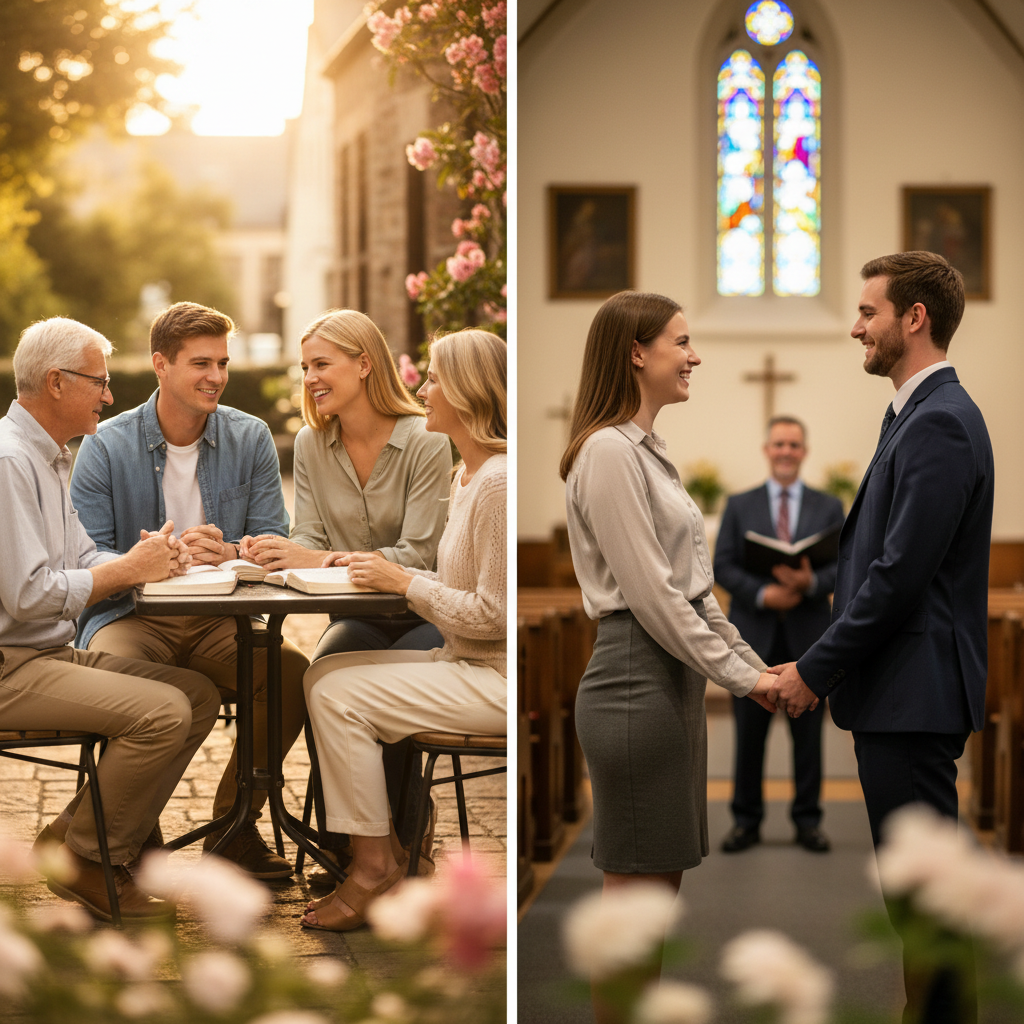
For Christians seeking a life partner, the modern dating landscape can feel like navigating a maze without a map. The prevailing culture of casual dating often conflicts with the biblical call for intentionality and holiness in relationships. This has led many to explore Christian courtship, a purpose-driven approach to relationships with marriage as the intended destination. While the goal is clear, the path is not always uniform. Understanding the different methods and resources available is key to pursuing a relationship that honors God. According to research from Christian scholars, the primary distinction lies in the level of intention and community involvement from the outset. The Gospel Coalition often highlights that courtship is not merely a set of rules but a heart posture aimed at glorifying God in the process of seeking a spouse.
You will stay on this site.
Choosing a path for a Godly engagement involves more than just personal preference; it involves prayerful consideration of which model best aligns with your convictions, maturity level, and community context. There is no single “biblically mandated” formula, but rather principles of wisdom, purity, and accountability that can be applied across various frameworks. From traditional, family-guided courtships to modern, intentional dating, each approach offers unique benefits and challenges. The most effective path is one that fosters spiritual growth, mutual respect, and a clear focus on whether two individuals are called to build a life of service to God together.
The Traditional Courtship Model: A Focus on Family and Accountability
Historically, courtship was a highly structured process deeply integrated with family and community life. In this model, a man would typically express his interest to a woman’s father or family patriarch before pursuing the relationship directly. The entire process was conducted under the oversight of parents and spiritual mentors, with limited unchaperoned time together. The primary advantage of this approach is its high level of accountability and protection. It minimizes emotional entanglement outside a committed context and ensures that the couple is supported and vetted by a community that knows them well. This framework is built on the principle that marriage is not just the union of two individuals, but the joining of two families, a perspective championed by ministries like Focus on the Family. However, for some, this model can feel overly restrictive in a modern context, potentially stifling the organic development of a personal connection or being impractical for those living far from their families.
When Is This Model a Good Fit?
This approach works best in close-knit church communities where family involvement is the cultural norm and trusted mentors are readily available. It is particularly suitable for younger individuals or those who desire a very clear, structured path with maximum external guidance. It requires a high degree of humility and submission to authority from both parties, as well as parents who are spiritually mature and wise in their counsel. For this model to succeed, communication between the couple and their respective families must be open, honest, and constant.
Intentional Christian Dating: Modern Flexibility with a Purpose
A more common approach today is what can be termed “intentional Christian dating.” This model adopts the structure of modern dating—such as one-on-one time and getting to know each other personally—but infuses it with the purpose and seriousness of courtship. The relationship is initiated with the explicit understanding that both individuals are dating to determine marital compatibility. Boundaries are established early, and accountability is still crucial, though it may come from peers, a small group, or a pastor rather than exclusively from parents. Author and speaker Gary Thomas has written extensively on the concept of viewing marriage through the lens of spiritual formation, which shifts the focus of dating from finding a “soulmate” to finding a partner who will help you become more like Christ. This perspective reshapes dating into a “sacred search.” The strength of this model is its adaptability and personal autonomy. The main risk is the potential for lines to blur, devolving into casual dating if intentionality and community accountability are not diligently maintained.

Community-Centered Relationships: The Organic Approach
Another powerful alternative is allowing relationships to grow organically within a healthy church community. Instead of singling someone out for a “date,” this approach involves getting to know a wide range of people in group settings—serving together in ministry, participating in small groups, or enjoying fellowship events. A romantic connection might develop after a solid foundation of friendship and observation in a real-life context has been built. This method is low-pressure and allows individuals to see a potential partner’s character in action: how they treat others, handle conflict, and serve God. The community itself provides a natural layer of accountability. The challenge here can be the limited pool of single individuals within a given church and the potential for awkwardness if a friendship-turned-romance does not work out. However, many find this to be the most natural way to find a partner who is already aligned with their spiritual life and community.
Navigating Digital Platforms with a Courtship Mindset
In the 21st century, courtship and intentional dating have expanded into the digital realm. Christian dating apps and websites offer a way to connect with a broader pool of like-minded believers, which is especially valuable for those in areas with smaller Christian populations. Unlike secular apps that may prioritize superficial attraction, many faith-based platforms are designed to help users filter by denomination, church attendance, and core theological beliefs. However, using these tools effectively requires a courtship mindset. Esteemed theologians and pastors, such as John Piper of Desiring God, advise that while technology is a neutral tool, it must be used with wisdom, integrity, and a focus on gathering information relevant to marital compatibility, not just chemistry. The goal is to move from online communication to in-person interaction within a safe and accountable context as soon as it is wise to do so.
Vetting Profiles with Wisdom
When using a digital platform, intentionality is paramount. Instead of endlessly swiping, take time to read profiles carefully. Look for more than just shared interests; assess their statements of faith, how they describe their relationship with God, and their stated intentions for being on the platform. A profile that emphasizes service, community, and spiritual growth is often a better indicator of a serious candidate than one filled with platitudes. Prayerfully consider who to engage with and be clear and honest about your own intentions from the very first message.

In a godly courtship, the goal is not to have fun while you find a spouse, but to glorify God in the process of finding one. The focus shifts from self-satisfaction to seeking a partner with whom you can better serve the Lord, with the counsel and blessing of a community that loves you both.
What is the main difference between Christian courtship and dating?
The primary difference lies in intention and accountability. Christian courtship is an intentional process with marriage as the explicit goal, typically involving high levels of family or community oversight. Modern dating can often be recreational and lack a clear purpose, whereas even “intentional Christian dating” makes the goal of marital discernment clear from the start.
Is one courtship method considered more “biblical” than another?
The Bible does not prescribe a specific dating or courtship system. Instead, it provides principles such as wisdom, purity, seeking counsel, and treating one another with honor. Any method, whether traditional courtship or intentional dating, can be biblical if it adheres to these principles and is pursued with a heart to glorify God.
How important is parental or pastoral involvement?
Very important. The Bible consistently calls believers to seek wise counsel (Proverbs 19:20). Parents, pastors, and mature mentors offer valuable perspective, protection from blind spots, and support. The level of direct involvement may vary by model, but their guidance should always be sought and respected.
Can you court someone you meet on a dating app?
Yes. A dating app can be the tool for the initial introduction. The principles of courtship—intentionality, clarity of purpose, community involvement, and establishing boundaries—should be applied once you move the connection from the app into the real world. The method of meeting is less important than the method of relating.
What are some red flags to watch for in any courtship model?
Key red flags include a reluctance to involve community or family, pressure to compromise physical or emotional boundaries, a lack of spiritual fruit or discipline, inconsistencies in their words and actions, and a focus on self-gratification rather than on honoring God and serving others.
How do you set physical boundaries in Christian courtship?
Boundaries should be discussed and agreed upon early in the relationship. The goal is to avoid “defrauding” one another (1 Thessalonians 4:3-6), which means not stirring up desires that cannot be righteously fulfilled outside of marriage. Decisions should be made prayerfully, with accountability from mentors, and aimed at honoring God and protecting each other’s purity.
What role does prayer play in choosing a partner?
Prayer is foundational. It should be a constant part of the process, seeking God’s wisdom, guidance, and peace. Pray for discernment, for your potential partner, and for your own heart to be aligned with God’s will. The choice of a spouse is one of life’s most significant decisions and should be saturated in prayer.
Ultimately, there is no single, perfect path to a godly engagement. Whether through a traditional courtship, intentional dating, or a community-grown relationship, the unifying theme is a commitment to honor God at every step. The most important choice is to pursue your relationship with purpose, purity, and the prayerful support of a wise community, trusting God to lead you toward a marriage that reflects His love and grace.
Conditions may vary; check official rules.
Sources: https://www.thegospelcoalition.org/article/should-you-date-or-court/, https://www.focusonthefamily.com/marriage/dating-with-purpose-a-guide-to-intentional-dating/
- Foto por Andrew Patrick Photo — pexels.com